A Mess Free Life may collect a share of sales or other compensation from the links on this page.
Summer is my least favorite season. Yup, I know. Lots of people think I’m crazy.
But I hate the heat and I despise the humidity. And living in New England you almost can’t have one without the other. This year has been a super hot summer — a large portion of the United States is battling a summer heat wave with temperatures soaring high into the 90s and even 100s in some spots. With soaring humidity, it makes for uncomfortable conditions that are not just miserable but genuinely dangerous.
Heat related deaths and illnesses like heat exhaustion or worse heat stroke are preventable, yet many people succumb to extreme heat because they fail to take the necessary precautions. The good news? A few simple habits can make all the difference. The CDC recommends the following tips for staying cool and safe — and I’ve added a few of my own hard-won favorites from surviving decades of brutal New England summers.
Heat related deaths and illnesses like heat stroke are preventable yet many people succumb to extreme heat because they fail to take the necessary precautions.
The CDC recommends the following preventative measures and tips for staying cool and safe.
Table of Contents
Tips To Stay Cool and Beat the Heat When Mercury Rises

Avoid Alcohol and Sugary Drinks
Alcohol and drinks containing large amounts of sugar actually cause you to lose more body fluid, which is the last thing you need when you’re already sweating in the heat. When in doubt stick with water — it’s free, it’s effective, and your body absorbs it faster than any sports drink. If plain water feels boring, add sliced cucumber, lemon, or mint to make it more appealing. Aim for at least 8 glasses a day in normal conditions, and significantly more when temperatures are high.
Replace Salts and Minerals
Heavy sweating doesn’t just dehydrate you — it removes salt and minerals from your body that are essential for muscle function and energy. These items are necessary for your body and must be replaced. Sports drinks can replace the salt and minerals lost through exercise and sweating, but watch the sugar content on the label. If you are on a low salt diet, check with your doctor first before consuming sports drinks. A simple and cheap alternative is to snack on bananas, which replace potassium, or add a small pinch of salt to your water.
Wear Sun Screen
We often think of sunscreen as something we apply at the beach, but if you’re spending any time outdoors in summer — even just doing yard work or walking to your car — sun protection matters. Make sure you wear sunscreen and apply it according to the package directions, and don’t forget to reapply every two hours if you’re sweating or spending extended time outside. A sunburn doesn’t just hurt — it actually makes your body work harder to regulate temperature, making you feel even hotter. Use SPF 30 or higher and choose a broad-spectrum formula that protects against both UVA and UVB rays.
Stay Indoors
When the mercury rises sometimes the best thing to do is stay inside where it’s cooler. If you have AC, keep it set between 72-78 degrees — low enough to be comfortable but not so cold that the energy bill skyrockets. If you don’t have AC, open windows at night to draw cool air into the room when outside temperatures drop. In the morning, shut the windows and close the blinds, shades or curtains before the sun hits them to keep the heat from the sun out of the house. Use fans strategically during the day — a fan facing outward in one window and inward in another creates a cross-breeze that can drop the temperature in a room by several degrees. If it’s terribly hot inside your home, head to the mall, library, or movie theater for a few hours — both are free and air conditioned.
Related: The Best All Natural Bug Spray
Drink Plenty of Fluids
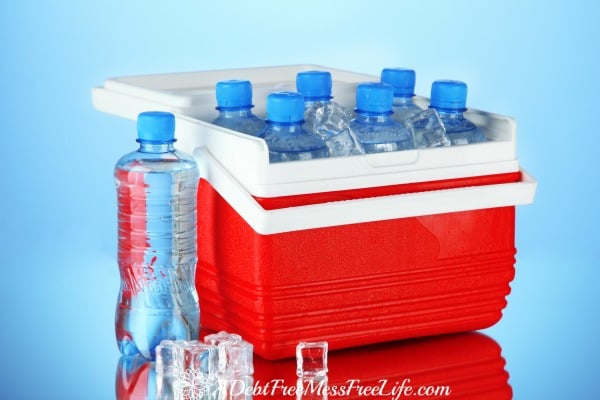
Just when you think you’ve drunk enough, drink some more. During hot weather, you need to increase your fluid intake regardless of your activity level — your body is working harder even when you’re sitting still. Don’t wait until you’re already thirsty, because thirst is actually a sign you’re already mildly dehydrated. Just keep drinking throughout the day by keeping a large water bottle with you at all times and refilling it consistently. Cold water is best — it helps lower your core body temperature from the inside out.
Take A Dip
Getting into cool water is one of the fastest ways to bring your body temperature down, and you don’t need a backyard pool to make it happen. Many communities have local pools, lakes, or other swimming areas you can visit for little or no cost — check your town’s parks and recreation website for options near you. If swimming isn’t accessible, even soaking your feet in a bucket of cold water or running your wrists under cold tap water for 30 seconds provides real relief. Make sure you know how to swim when going into a natural body of water, keep an eye on children at all times, and use life vests when appropriate.
Take A Cool Shower
A cool shower is one of the most effective and underrated heat remedies there is — it works faster than any fan and costs nothing. You don’t need to make it ice cold to get relief; lukewarm to cool is enough to bring your body temperature down quickly without the shock of freezing water. Try taking a cool shower before bed on hot nights — it lowers your core temperature at exactly the right moment, making it much easier to fall asleep even without air conditioning. Keep a small spray bottle of cool water in the fridge for a quick refresh during the day when a full shower isn’t practical.
Related: Summer’s Most Serious Health Risks
Enjoy An Ice Spa
Relaxing at an Ice-cold water spa helps spread refreshing feeling all over the body, starting from the feet.
To do this at home, simply soak your feet in a half-filled pail with ice cubes and water. Our body radiates heat from the palms of our hands and feet, our ears, and our face, so cooling down any of these parts will eventually cool the entire body.
Don’t Forget Your Hat
A good hat is one of the simplest and most effective tools for staying cool outdoors, yet most people skip it entirely. Wearing a wide-brimmed hat or a vented cap keeps direct sun off your face, neck, and head — the areas where you feel heat most intensely. Look for hats made from breathable materials like cotton or straw rather than synthetic fabrics that trap heat. If you don’t love wearing hats, a lightweight umbrella serves the same purpose and is particularly useful during outdoor events or walks where there’s no shade available.
Close It Down
This is one of the most overlooked home cooling strategies and it makes a real difference. Whether the air conditioner is on or off, keep windows and doors shut once the outside temperature climbs above 77 degrees Fahrenheit — that’s the point where most people start to sweat and where outdoor air becomes warmer than the air inside a shaded home. Whenever the outside air is hotter than the inside air, opening a window invites heat to creep in rather than letting cool air out. Pay special attention to south and west-facing windows in the afternoon — those get the most direct sun and let in the most heat. Use blackout curtains or thermal shades on those windows for maximum effect.

I’m a professional cleaner with over 13 years of hands-on experience cleaning homes, a published writer, certified money specialist, and the founder of A Mess Free Life. After paying off over $50,000 in debt, I dedicated myself to helping others master their homes and their money — proving that a clean, organized, stress-free life is possible no matter where you’re starting from. When I’m not writing, you’ll find me cooking, playing bocce, sipping an extra dirty martini, or enjoying the ocean with my cats nearby. I’m also a proud mom and grandma who cares deeply for my mother at home.